


Want to support your gut health—and enjoy the ripple effect on your energy, immunity, and overall wellbeing? One simple strategy is to aim for 30 plants a week.
Research shows that including a wide variety of plant foods in your diet can do wonders for your gut microbiome, and in turn, your whole body. Here’s what the science says and how you can make it easy.
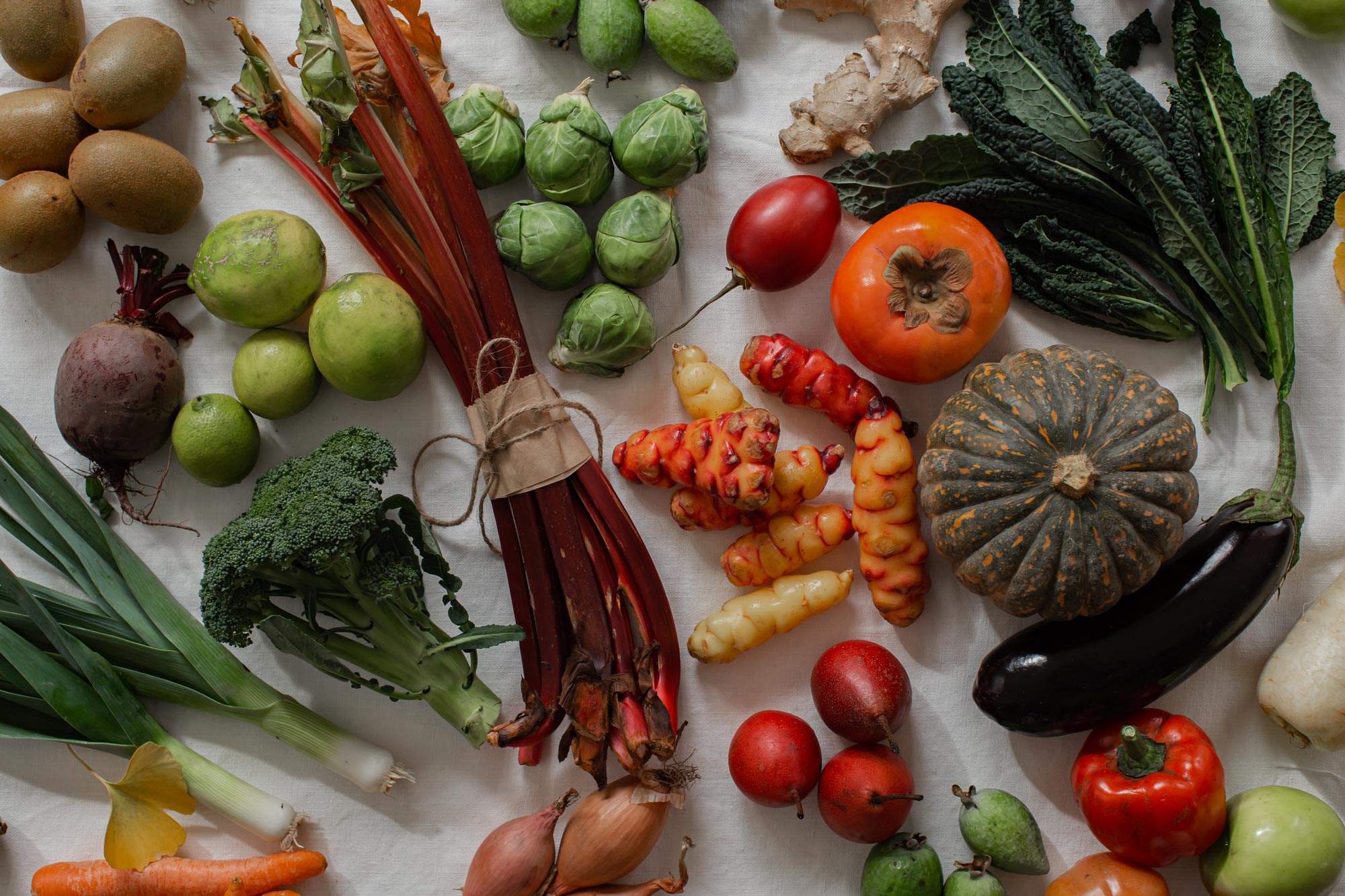
The American Gut Project—one of the largest microbiome studies ever conducted—analysed stool samples and lifestyle data from over 10,000 participants worldwide to understand how diet shapes our gut bacteria.
The standout finding? Eating a diverse range of plants consistently boosts both microbial diversity and metabolite production, creating a more resilient gut ecosystem.
Participants who ate more than 30 different plant species per week showed significantly higher levels of fibre-fermenting bacteria, including Faecalibacterium prausnitzii.
These microbes break down dietary fibre our bodies can’t digest, producing short-chain fatty acids (SCFAs)—the primary fuel source for cells lining the colon.
But SCFAs do far more than feed your gut. They act as powerful signalling molecules that:
- Reduce inflammation
- Strengthen the gut barrier
- Regulate metabolism and improve insulin sensitivity
- Support weight management
- Modulate immune function
- Influence brain health through the gut-brain axis
🦋🧬 All of the above are incredibly supportive for those navigating thyroid dysfunction or autoimmunity. Think: better weight control, less brain fog, improved energy regulation, and potentially lower antibody levels thanks to a healthier, less permeable gut barrier. For my thyroid clients, this isn’t just about gut health—it’s about supporting your whole endocrine system. 🦋🧬
Beyond diversity benefits, those eating 30+ plant foods weekly also had fewer antibiotic resistance genes in their gut bacteria compared to those eating 10 or fewer plant types—a meaningful marker of gut health resilience.
Perhaps most interesting: dietary labels like “vegetarian,” “vegan,” or “omnivore” didn’t predict gut diversity. What mattered was simply the variety of plant foods consumed, regardless of whether people ate meat or not.
So here’s the takeaway: Diversity on your plate creates diversity in your gut—and 30 different plants per week appears to be the threshold where real benefits emerge.
Why is plant diversity so powerful?
Consuming a wide range of plant foods exposes your microbiome to an equally diverse array of prebiotic fibres, resistant starches, and polyphenols (the colourful compounds in plants). Together, these create a nutritional “buffet” for the beneficial bacteria living in your gut.
The buffet analogy works well here—different microbes have different preferences.
The wider the variety you offer, the more diverse species can thrive and multiply. Think of it as feeding an entire ecosystem rather than just a few residents.
How to get 30 plants a week into your diet
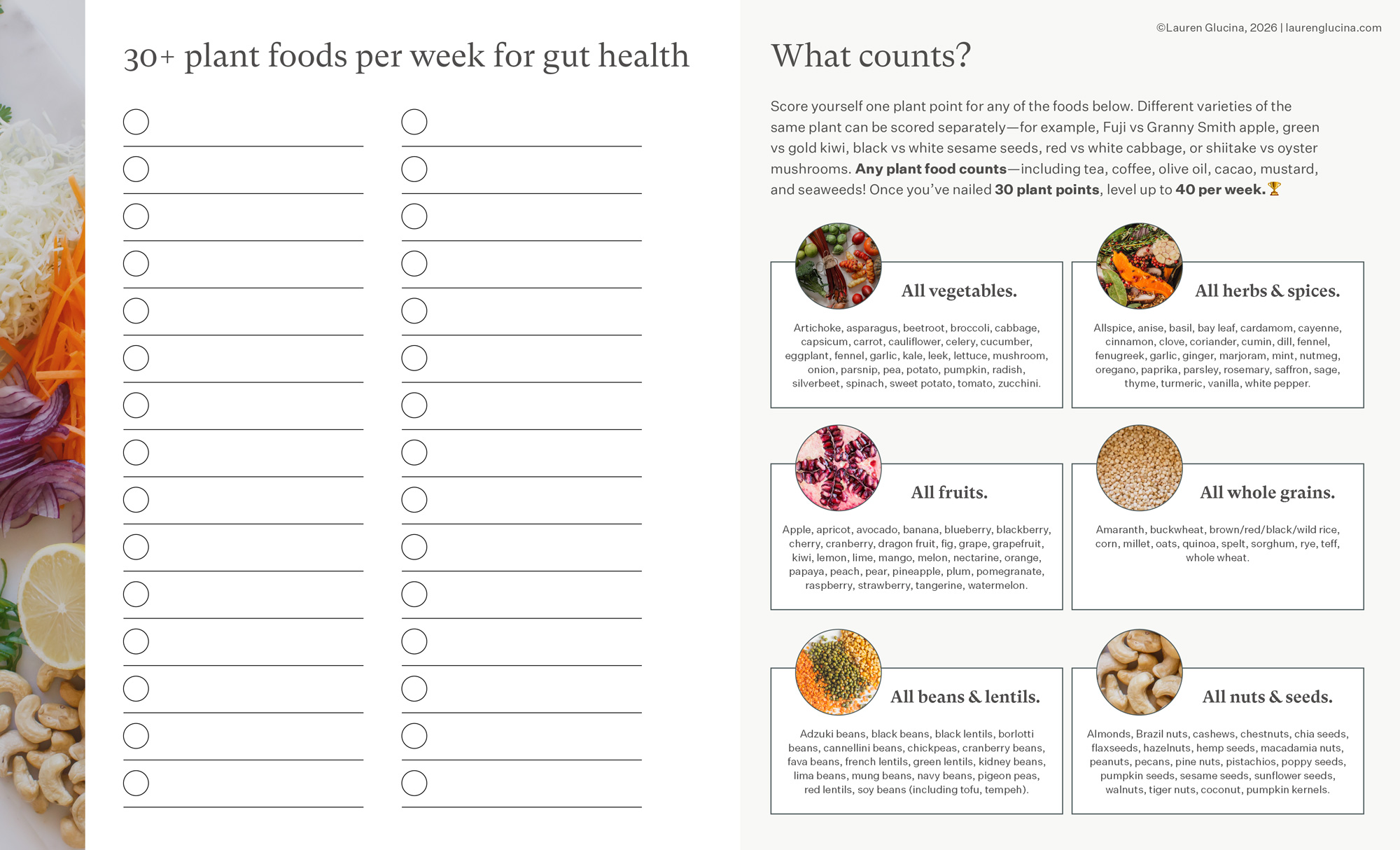
If hitting 30 plants a week feels daunting, take a breath—it’s more achievable than you think. Plant foods include all fruits and vegetables, whole grains, legumes, nuts and seeds, herbs and spices… even olive oil, coffee, tea, and cocoa count!
What’s more, different varieties of the same food can have quite different fibre content and polyphenol profiles, so you can count them separately (for example, a Granny Smith vs. a Fuji apple).
30 plants a week checklist
I often suggest my clients track everything they eat for a week to see how many different plant foods they’re getting. It’s an easy way to spot gaps and make small, realistic changes.
Hitting 30 plants a week can make a real difference to your gut microbiome. If you’re curious, a before-and-after microbiome test often shows a noticeable boost in friendly bacteria after just a few months.
Ready to take the 30-plant challenge? Download the checklist here 🙂
Practical tips to hit your goal
Make summer rolls – Stuff them with shredded cabbage, carrot, capsicum, spring onion, mint, cucumber, edamame, tofu, mango, black and white sesame seeds… that’s 12 plants right there!
Cook a weekly curry – Make good use of your spice rack. Turmeric, cumin, coriander, ginger, garlic, fenugreek, mustard seeds, and cardamom all count.
Prepare a hearty weekly soup – Combine whole grains (brown rice, quinoa, buckwheat) with legumes (black beans, mung beans, red lentils, chickpeas), fresh chopped vegetables, and a quality vegetable stock.
Level up your salad game – Go beyond lettuce, avocado, tomato, and cucumber. Add fresh garden herbs (parsley, basil, coriander, dill, mint), nigella seeds, pomegranate arils, walnuts, toasted seeds, and different types of mustard or tahini in your dressing.
Snack strategically – A handful of mixed nuts, an apple with almond butter, veggie sticks with hummus, or a fruit and nut trail mix can easily add 5–8 plants to your day.
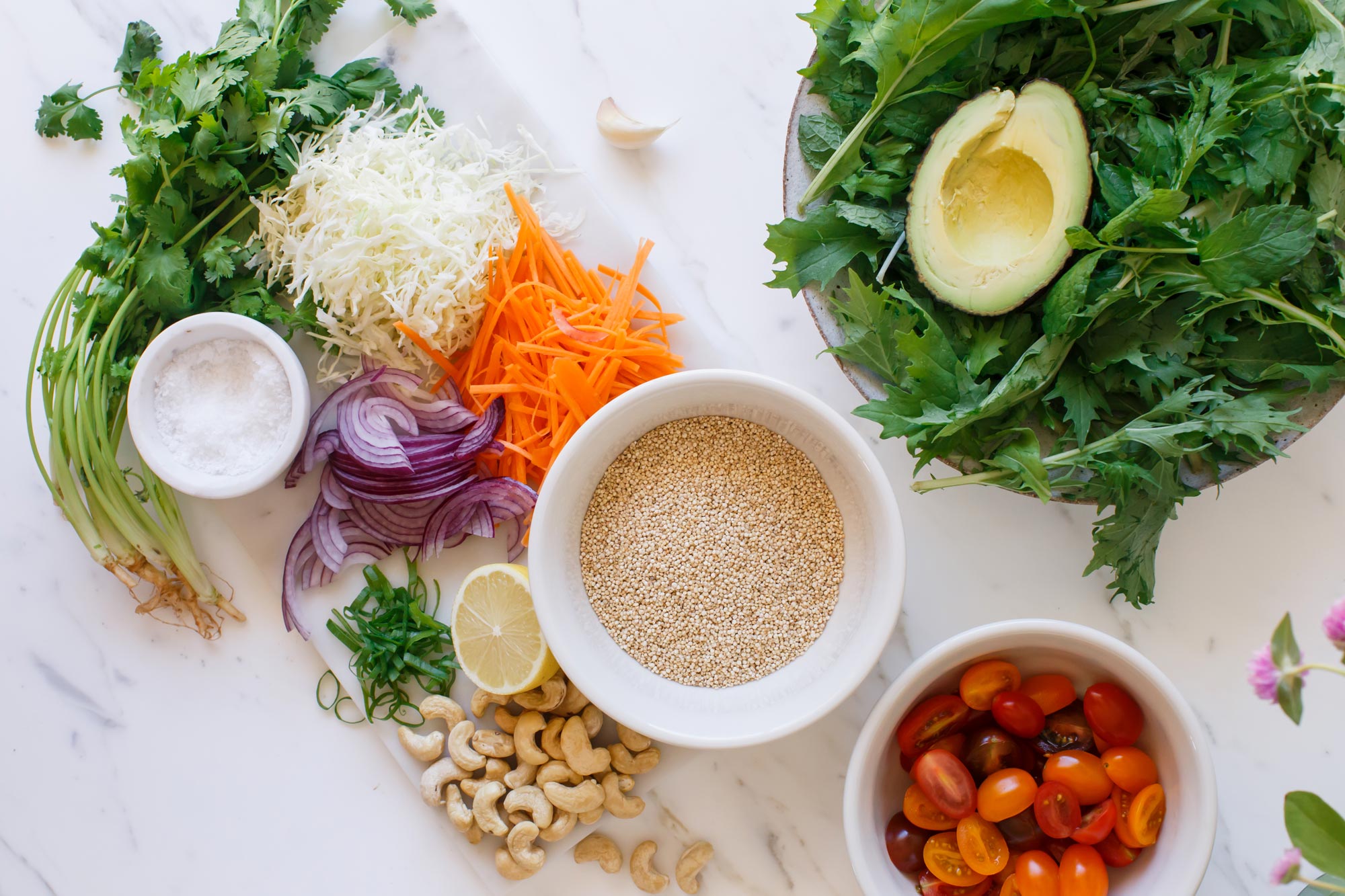
Experiment with grain bowls – Layer quinoa or sorghum with roasted vegetables, leafy greens, a legume or two, fresh herbs, seeds, and a flavourful dressing. One bowl can easily contain 15+ plants.
Here are some of my own meals for inspo…
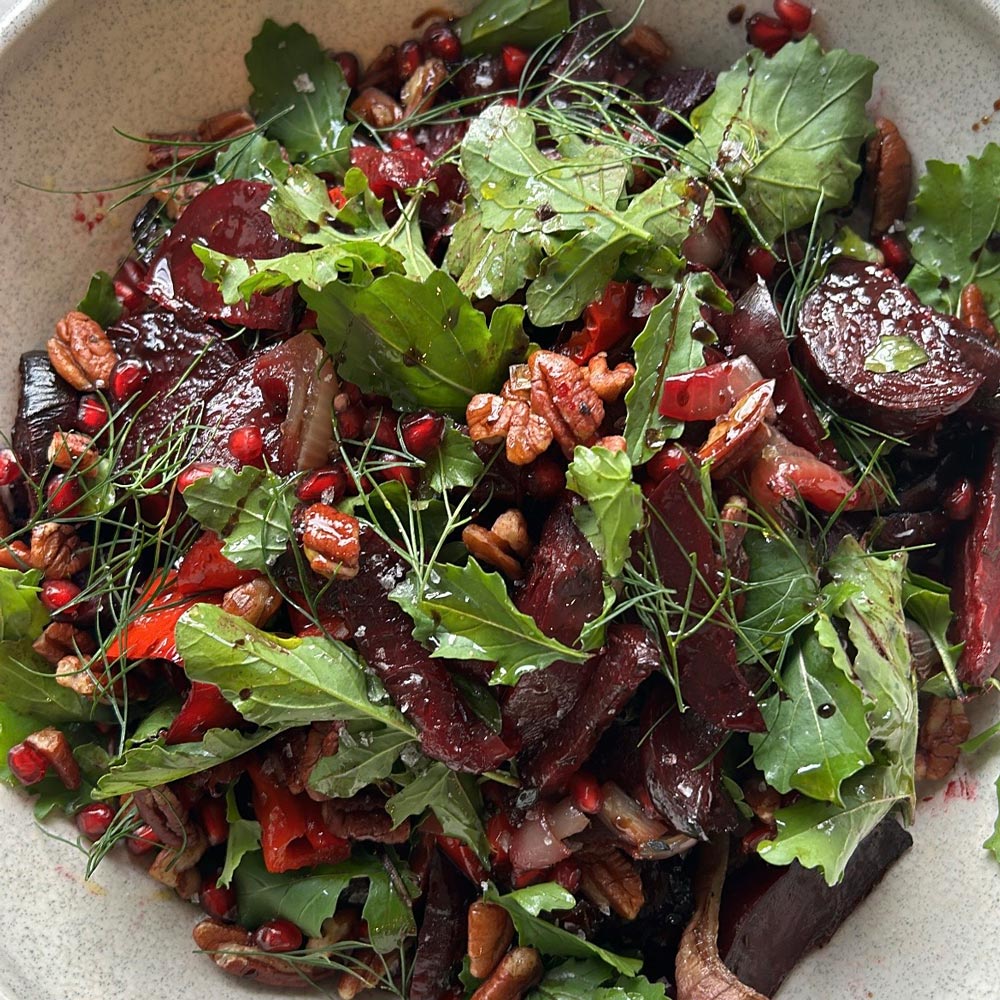
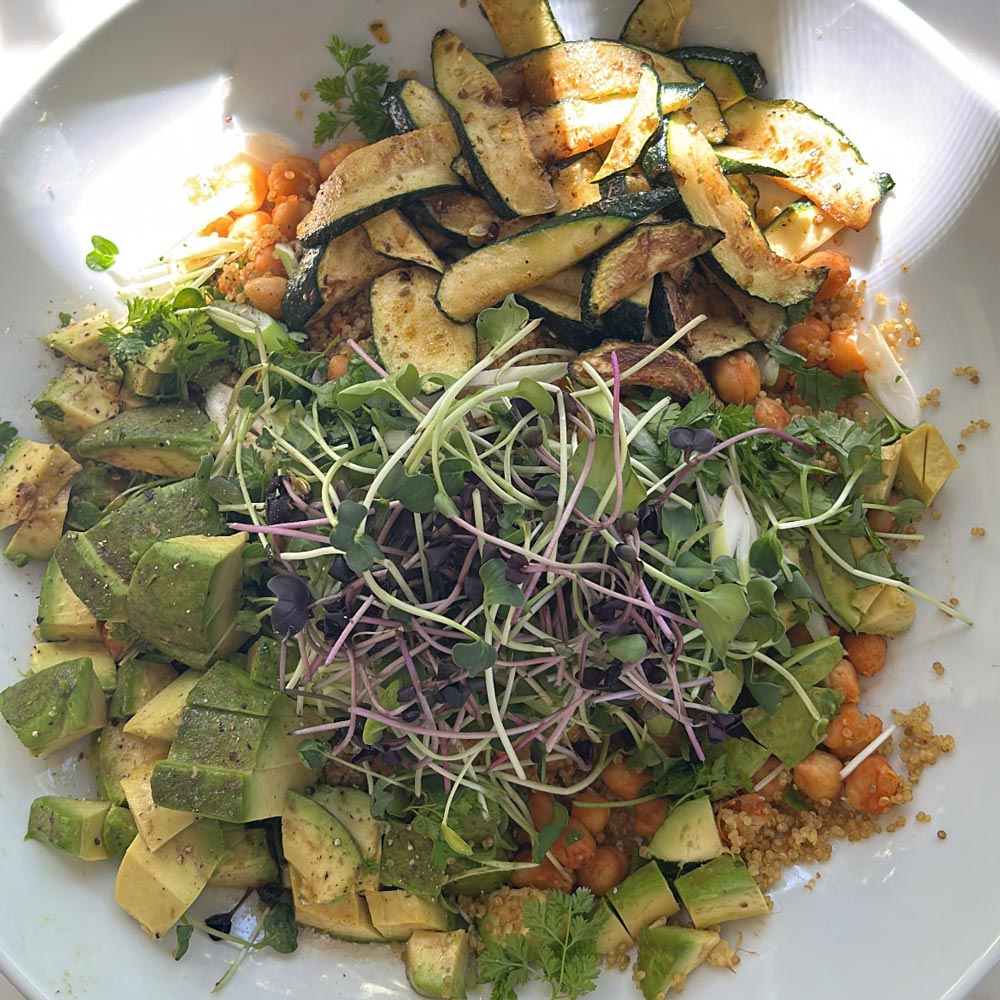
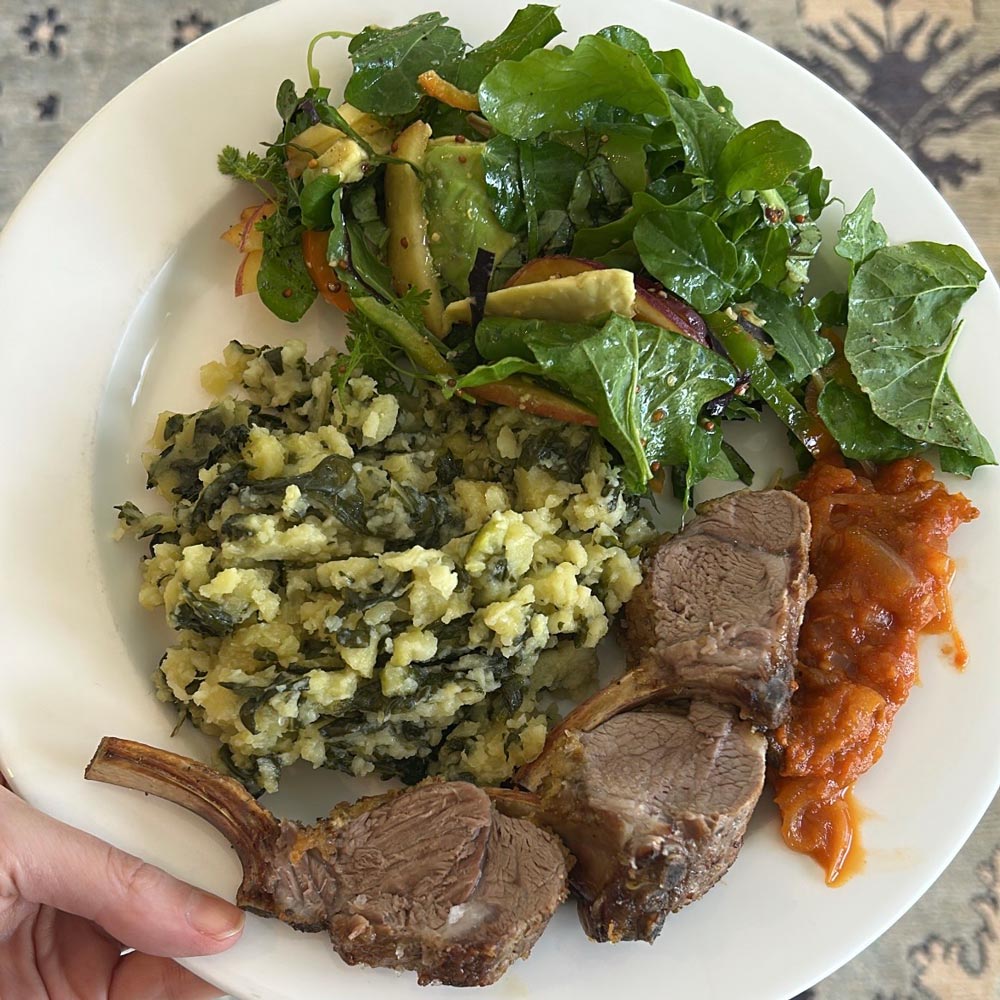
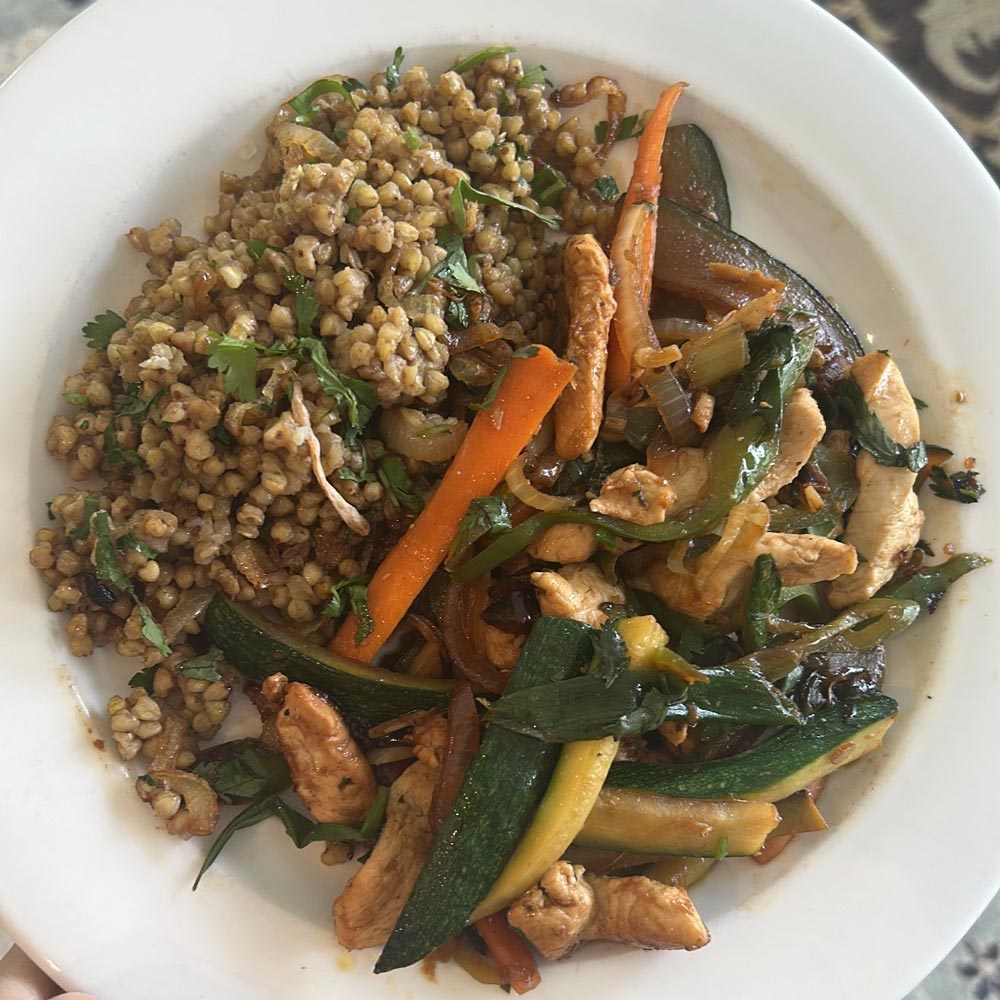
So there you have it—I challenge you to try this for yourself this week and make it a regular fixture in your diet. Your gut (and the rest of your body) will thank you!
‘Til next time,
Lauren
McDonald, D., Hyde, E., Debelius, J. W., Morton, J. T., Gonzalez, A., Ackermann, G., Aksenov, A. A., … Knight, R. (2018). American Gut: An open platform for citizen science microbiome research. mSystems, 3(3), e00031-18. https://doi.org/10.1128/msystems.00031-18

Feeling burnt out or off your game?
It might be low iron, B12, magnesium, zinc, or vitamin D. Watch Nutrient Foundations for Energy, Mood & Resilience to learn where to start.
X



Comments +