


It’s not often viral TikTok trends catch my eye but the idea of a ‘Magnesium Mocktail’ I thought was pretty genius. It’s essentially a serving of powdered magnesium in sparkling water, soda or a kombucha to be taken in place of a glass of wine as your evening wind-down.
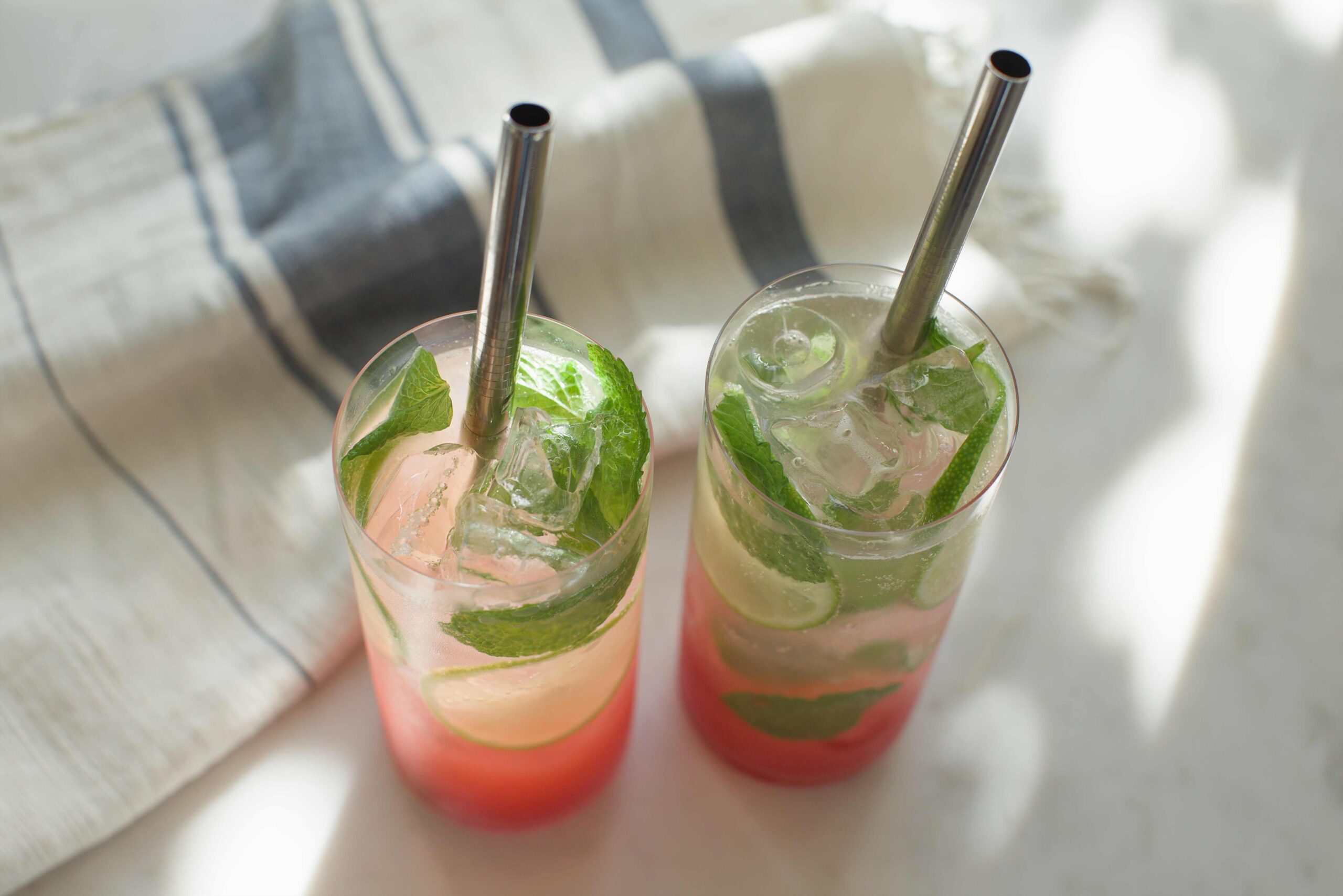
For many who are busy, stressed, tired – an evening red (or other alcoholic bevy of choice) is a hard habit to kick, because the effects on the body are so instant – that glass of vino becomes your special treat and helps you relax and shrug off the day.
And there’s a real reason for that. Alcohol has an almost immediate effect on brain chemistry – it boosts GABA, a calming neurotransmitter, while suppressing glutamate, which is excitatory.
It also triggers a dopamine release, the brain’s reward chemical, creating that warm sense of pleasure as the day melts away. No wonder it feels so good.
The catch is that these effects are short-lived. As the body metabolises the alcohol, the brain overcorrects – glutamate rebounds, GABA fades, and dopamine drops.
This rebound effect stimulates the brain and disrupts sleep architecture, which is behind those annoying 3am wake-ups many of us know too well [1].
Alcohol also increases breathing-related sleep disruptions like snoring and sleep apnoea. It’s worth noting that 47-67% of post-menopausal women have been found to have obstructive sleep apnoea [2], and alcohol makes this significantly worse.
Repeated disruptions to breathing during sleep trigger oxidative stress, inflammation and metabolic dysregulation that predisposes to atherosclerosis, making it a common driver of systemic hypertension.
And for my thyroid clients, where cognitive fog is often a daily reality – a 2022 study of over 35,000 generally healthy middle-aged adults found that even 1-2 drinks per night was negatively associated with global brain volume, regional grey matter, and white matter microstructure. In other words, even low-moderate intake was enough to cause measurable brain degeneration [3].
So if that evening wine is your way of switching off, know that it’s likely costing you sleep, energy and mental clarity the next day. A magnesium mocktail is a genuinely good alternative.
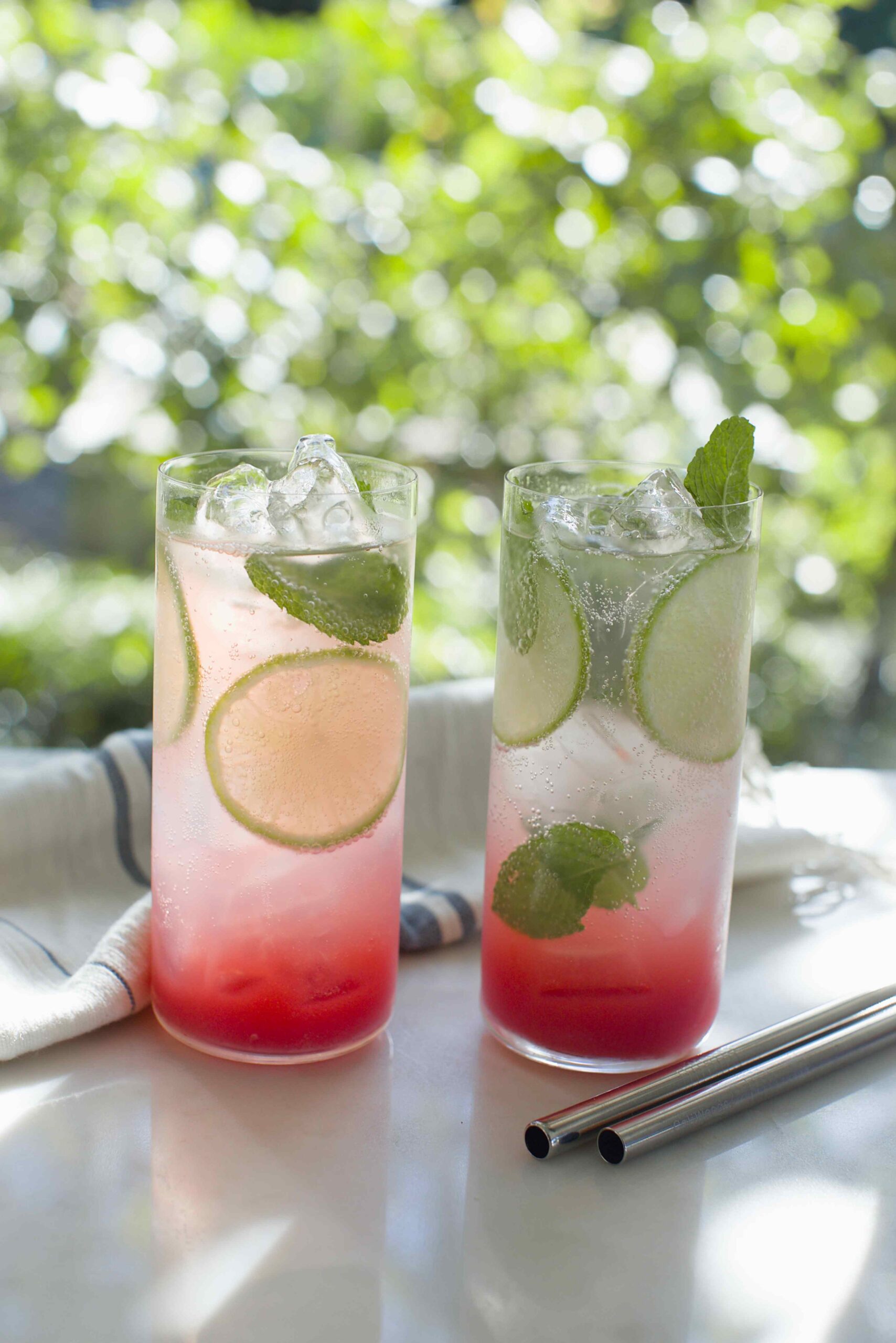
Here’s what I’ve used in this mocktail:
- Magnesium glycinate powder: a form of magnesium that helps support relaxation, muscle function and a healthy stress response (look for one with a citrus flavour)
- L-theanine powder: an amino acid naturally found in green tea. Supports a relaxed but alert state without causing drowsiness, supporting improved sleep quality by reducing anxiety
- Tart cherry (also known as sour cherry): a natural source of plant compounds and melatonin that support sleep quality and overnight recovery
- Lime: source of vitamin C (essential for adrenal health) and key to a great mocktail
- Mint leaves: plants in the mint family are calming to the digestive system, relieve bloating
- Sparkling water: alcohol alternative
Ombré Magnesium Mocktail Recipe
Serves 1.
You’ll need:
- 1 tsp tart cherry juice powder or 30ml tart cherry juice concentrate
- 1 scoop magnesium glycinate powder (150-300mg elemental magnesium)
- 1 scoop L-theanine powder (200mg)
- Fresh lime, sliced and juiced
- Fresh mint leaves
- Ice
- Sparkling water
- A tall glass
- Fill glasses with ice, layering lime slices and mint as you go.
- Add tart cherry, magnesium and l-theanine powder to a separate glass with a little sparkling water and squeeze of lime, mix well, then pour into a tall glass. If using tart cherry powder, use a sieve to help remove any clumps.
- Top up with sparkling water to create a beautiful ombré effect.
Are there any cautions?
The idea with this drink is to help break the habit of an evening wine-down, or to enjoy a prescribed magnesium supplement from your health practitioner in a slightly more elevated way. But it’s still important to remember that magnesium is a supplement, and supplements aren’t intended for long-term, unchecked use.
Taking them chronically without reviewing your needs may lead to imbalances or displacement of other nutrients.
So be supplement-wise, and as always, if this is the first time you’re adding something new to your routine, check in with your primary care provider to make sure it’s appropriate for you.
If you’d like to keep enjoying this mocktail beyond your supplement protocol, simply omit the magnesium and add a little extra lime juice instead.
Other than that, enjoy!
Lauren.
References:
- He et al. (2019). Alcohol and sleep-related problems. Curr Opin Psychol, 30, 117–122. PMID: 31128400.
- Jehan et al. (2016). Obstructive sleep apnea: Women’s perspective. J Sleep Med Disord, 3(6), 1064. PMID: 28239685.
- Daviet et al. (2022). Associations between alcohol consumption and gray and white matter volumes in the UK Biobank. Nat Commun, 13, 1175. https://doi.org/10.1038/s41467-022-28735-5


Comments +