


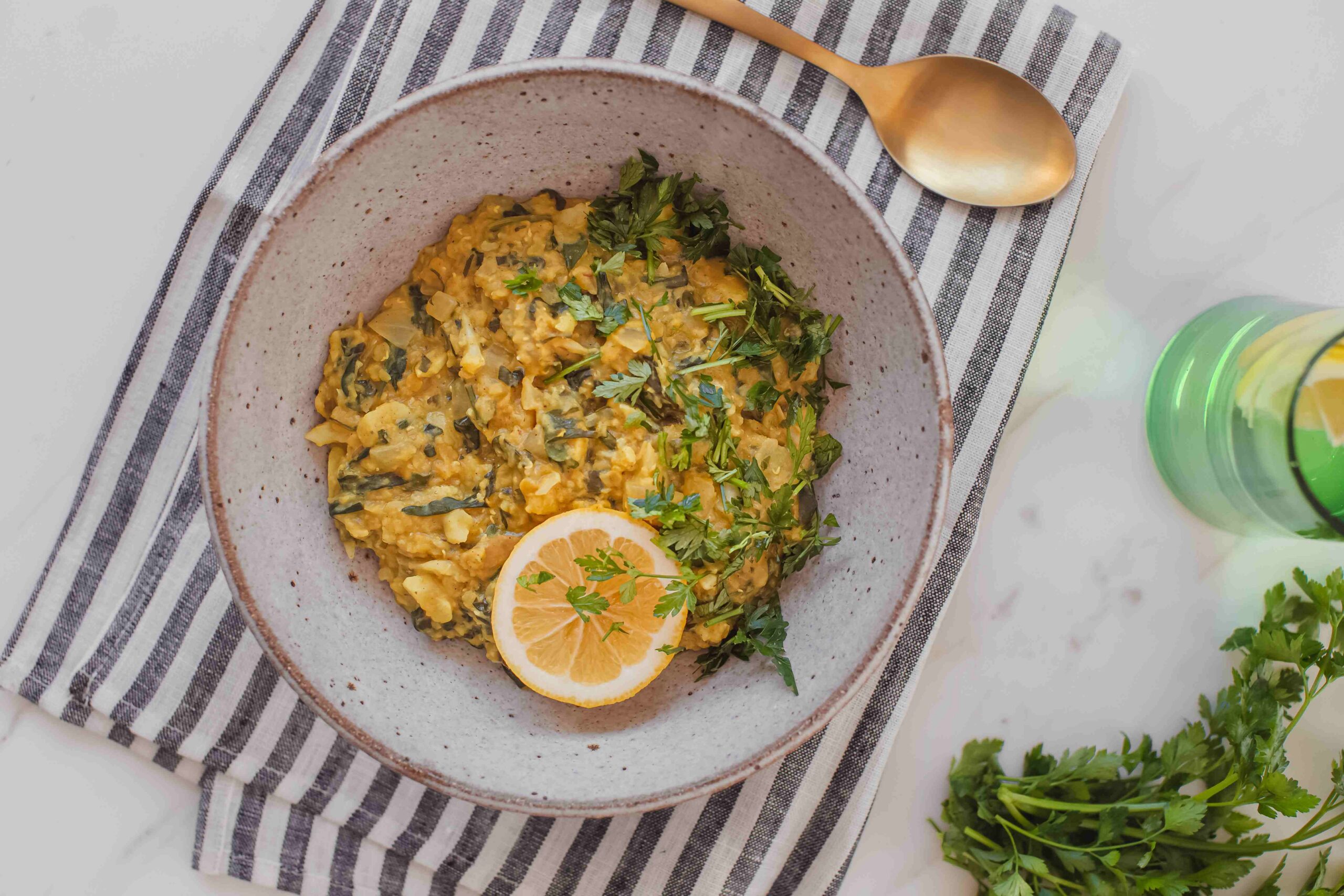
This hearty winter dhal is a nourishing bowl of goodness for your thyroid. It combines slow-digesting carbohydrates, plant protein, healthy fats (olive oil, coconut), fibre, and a rainbow of antioxidant-rich herbs and spices to support your body during the colder months.
Time to read:
Here’s exactly why it’s fab:
It helps keep blood sugar balanced
Red lentils provide a wonderful combination of complex carbohydrates, fibre, and plant-based protein, helping to provide a slower release of energy compared with refined carbohydrates. This can help prevent dramatic blood sugar highs and lows, which is especially important for people with thyroid dysfunction, as blood sugar instability can place additional stress on the body.
It’s packed with fibre to support gut health
The thyroid and gut are closely connected. The lentils, cauliflower, spinach, onion, garlic, and herbs provide a diverse range of fibres (roughly 12g/serve) that nourish beneficial gut bacteria and support regular bowel movements.
It provides key nutrients needed for thyroid function
This recipe contains several nutrients that contribute to thyroid health:
- Carbohydrates from the lentils and vegetables; these are essential for T4 to T3 conversion, so if you have hypothyroidism or Hashimoto’s, please make sure you’re getting 100-150g of carbs in daily! 🙂
- Iron from lentils and spinach, which is required for the activity of thyroid peroxidase, an enzyme involved in thyroid hormone production
- Vitamin C from the lemon and cauliflower, which can help enhance the absorption of non-haem iron from plant foods
- Magnesium from spinach, which supports hundreds of biochemical reactions, including energy metabolism
- Zinc from lentils, which plays a role in thyroid hormone metabolism and immune function
It’s rich in anti-inflammatory compounds
The combination of turmeric, ginger, garlic, cinnamon, cumin, and coriander provides an array of polyphenols and antioxidants that help support a healthy inflammatory response.
This is pure food as medicine for those with autoimmune thyroid conditions, where chronic immune activation plays a role.
It’s deeply warming and comforting in winter
When the weather turns cold, many people with hypothyroidism feel the cold more intensely. Warm, slow-cooked meals like soups, stews, and dhal are not only comforting but can also be gentle on digestion while providing a nourishing way to pack in plenty of nutrient-rich ingredients.
A small thyroid note on the spinach and cauliflower
Cauliflower belongs to the cruciferous vegetable family and contains compounds called glucosinolates. While these are sometimes labelled as “goitrogens,” there is no need to avoid cruciferous vegetables for most people with thyroid conditions, especially when they are cooked and consumed as part of a varied diet. In fact, cruciferous vegetables provide valuable fibre and beneficial phytochemicals that support overall health.
Are we ready for the recipe?!
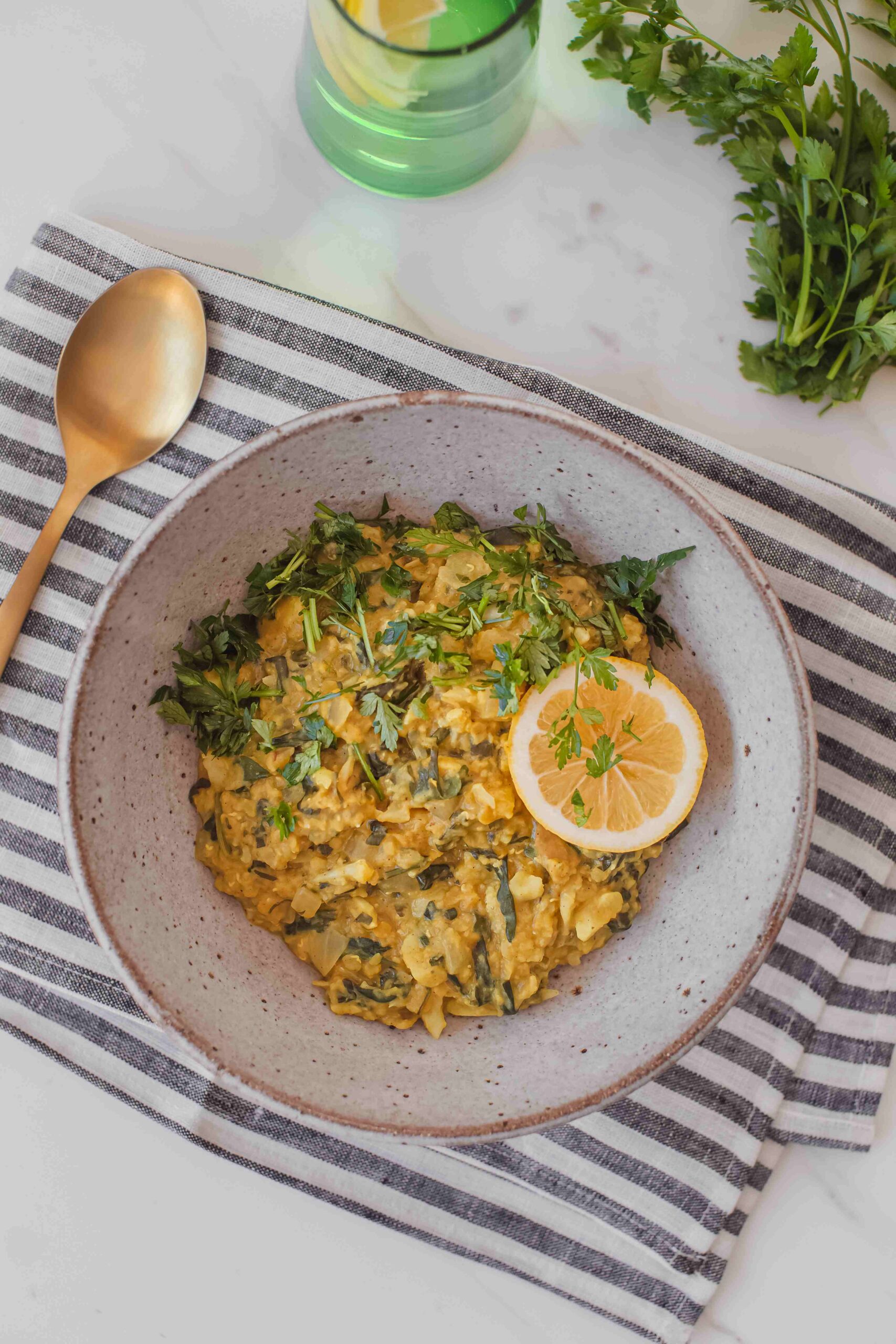
Spinach and Cauliflower Dahl
Prep time: 15 mins • Cook time: ~15mins • Serves: ~5
Ingredients
- 1-2 tablespoons EVOO
- 1 onion, diced
- 1 tbsp ginger, grated
- 1 large potato
- 1/2 head cauliflower ~420g
- 1/2 tsp turmeric powder
- 1/2 tsp cinnamon powder
- 1 tsp curry powder
- 1 tsp cumin powder
- 1 tsp coriander powder
- 1/2 tsp red pepper flakes
- 1 1/2 cups red lentils, washed
- 3 cups vegetable stock
- 1 1/2 cups water
- 1 cup coconut milk, reduced fat
- 5-8 cloves garlic, chopped
- Bunch of spinach ~150g
- Bunch of parsley ~30g
- Squeeze of lemon, to top
Method
Fry the onion and ginger in olive oil over low-medium heat. Peel and cube the potato, cut cauliflower into very small florets. Add to saucepan, cook a few minutes.
Add spices, cook for a minute or two. Then add lentils, stock, water and coconut milk. Bring to a boil, reduce to simmer. Cook for ten minutes.
Chop parsley, and slice spinach leaves into ribbons. Add both, along with garlic cloves, and cook a few more minutes until greens have wilted.
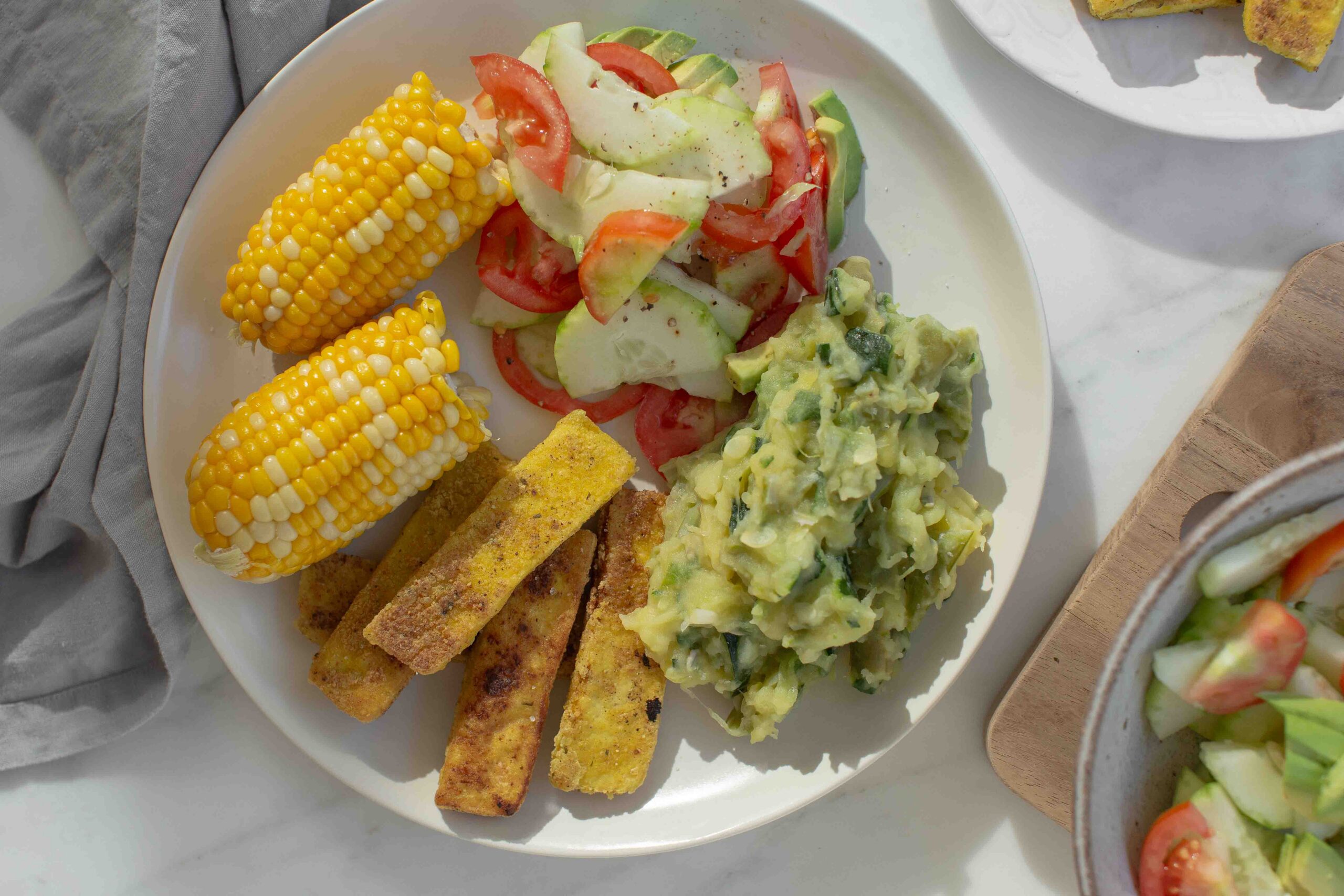
Remove from heat – mash well with a potato masher, adding a squeeze of lemon. Serve with a side salad.
Note: the texture is thick and rustic, rather than soupy like a more traditional dahl.
Enjoy 😉
Lauren.
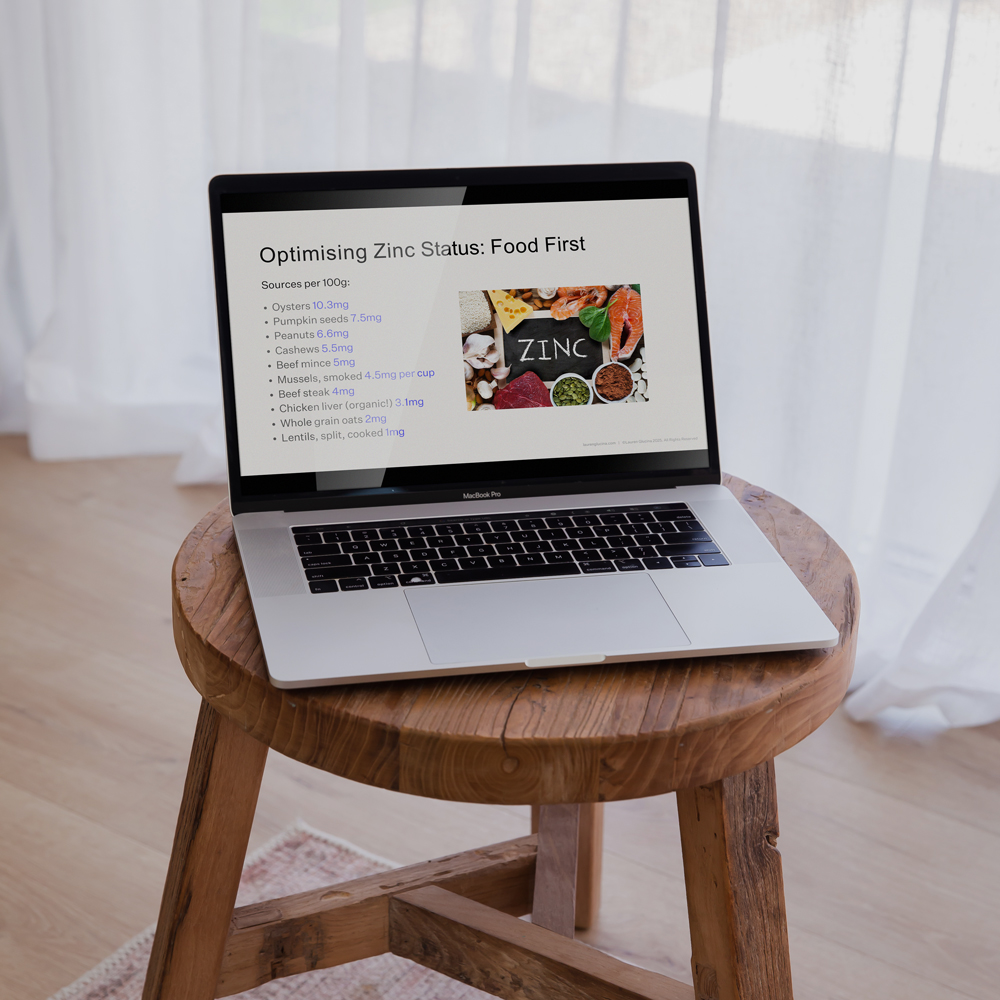
Feeling burnt out or off your game?
It might be low iron, B12, magnesium, zinc, or vitamin D. Watch Nutrient Foundations for Energy, Mood & Resilience to learn where to start.
X



Comments +